
Currently Empty: $0.00
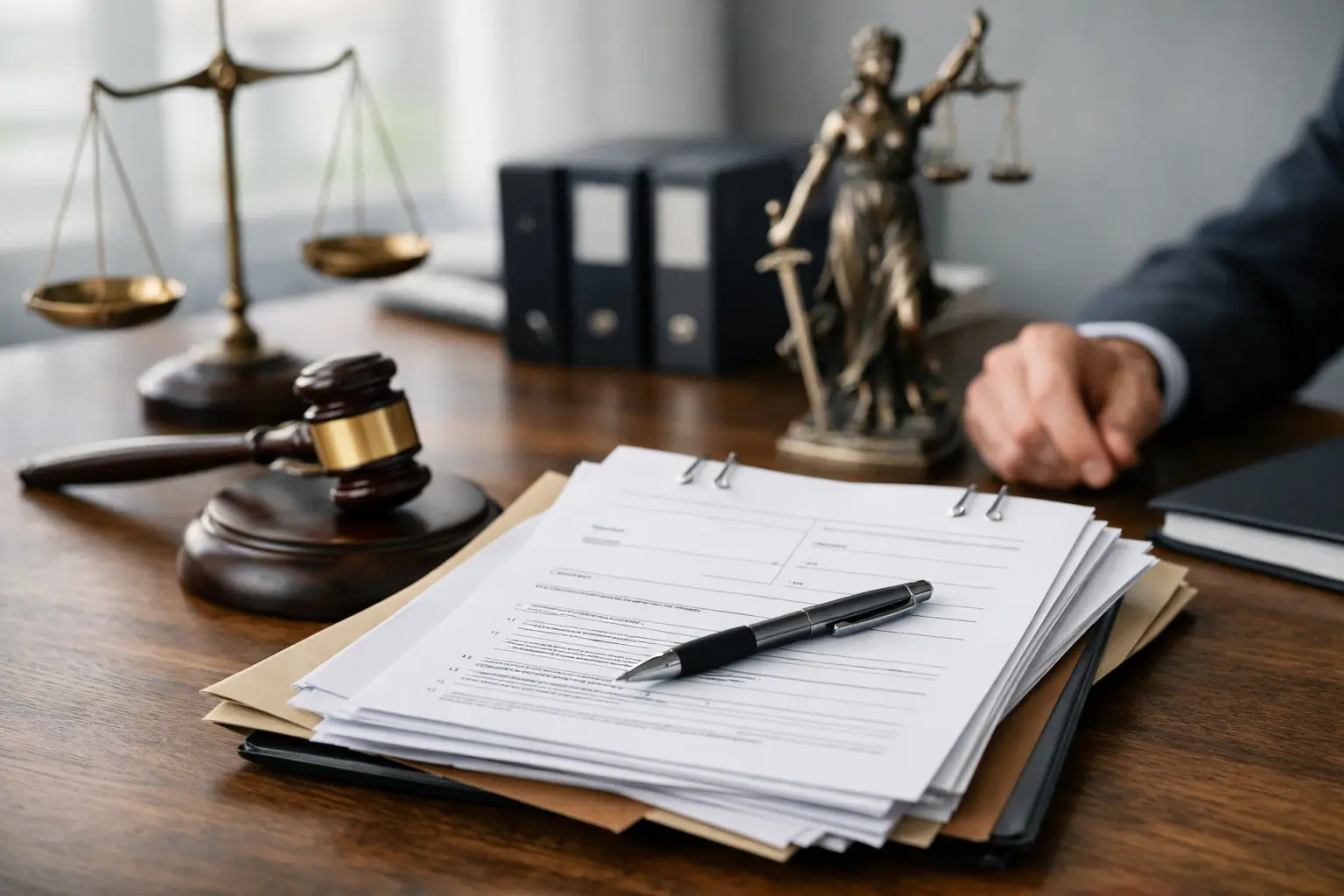
A court deadline does not care that you have never written a motion before. If you were served with a debt-collection complaint, received a foreclosure notice, need to challenge a ticket, or are trying to move a divorce forward, the clock is already running. Court document templates can help you put a structured response on paper. But a template is not a magic shield. Used carelessly, it can put the wrong facts, the wrong request, or the wrong legal theory in front of a judge.
The goal is not to sound like a lawyer. The goal is to file a document that says what happened, asks for a lawful result, follows the court’s rules, and gets filed on time. That takes more than downloading a form with blank spaces.
What Court Document Templates Are Actually For
A court template is a starting structure for a specific procedural task. It may be an answer to a complaint, a motion to dismiss, a motion to compel, an affidavit, an objection, a notice, or a proposed order. It gives you an organized framework: the court caption, case number, party names, numbered paragraphs, signature block, certificate of service, and language commonly used for that kind of filing.
That structure matters. Courts run on procedure. A strong argument buried in a document with no case caption, no request for relief, or no proof that the other side was served can create avoidable problems. The judge is not there to rebuild your filing for you.
A useful template also helps you separate facts from conclusions. Instead of writing, “The plaintiff is lying and this case is unfair,” you can identify the actual issue: the plaintiff did not attach a contract, sued after the limitations period expired, lacks evidence it owns the account, or failed to give required notice. Specific claims give the court something it can evaluate.
Still, the template is only the frame. Your facts, court rules, deadlines, and choices fill it in.
Why Generic Forms Can Cost You
Free form libraries often make a tempting promise: pick a document, fill in your name, and file it. For a simple administrative task, that may be enough. For an active dispute, generic forms can leave out the part that matters most – why the court should grant what you are asking for.
A template can be legally correct in one state and useless in another. It can apply to state court but not federal court. It can be meant for a case before judgment when your case is already in collection. It can use an old rule, omit a required verification, or fail to address a local filing requirement.
The bigger danger is using a document because its title sounds right. “Motion to dismiss” sounds powerful. But filing one without a valid procedural basis can waste precious time. In some courts, it may also delay the moment when you must file an answer. In others, it will not. The right move depends on where your case is, what was filed against you, and what the rules allow.
Do not confuse a document that looks official with a document that fits your situation. Legal formatting is not legal strategy.
How to Choose Court Document Templates That Fit Your Case
Start with the stage of the case, not the document you want to file. Have you only received a demand letter? Were you formally served? Is there a hearing date? Did the court already enter a judgment? Each stage calls for different tools.
Next, identify the exact problem you need the court to address. If a debt buyer sued you, the immediate task may be answering the complaint before the deadline, not writing a long letter demanding validation. If a public official has failed to perform a clear legal duty, the issue may involve a petition for writ of mandamus. If a foreclosure sale is approaching, you may need documents that address the precise stage and court process involved. Names matter because procedure matters.
Then check whether the template is built for your jurisdiction. At a minimum, it should tell you what court it is intended for and whether state-specific rules or local requirements may apply. Courts can require particular margins, cover sheets, exhibits, filing fees, service methods, hearing notices, or proposed orders. A good document package tells you where the template stops and where you must verify your own court’s rules.
Finally, look for the reasoning behind the form. A bare template tells you what to type. A stronger educational package explains what each paragraph does, when to use it, what facts support it, and what evidence you need to preserve. If it includes cited legal precedents, you still need to read them and determine whether they apply to your facts. But you are no longer starting from a blank page.
Personalize the Facts, Not Just the Caption
Changing the party names and case number is not personalization. The body of the document must match the record in your case.
Read the complaint, petition, notice, or prior order line by line. Mark allegations you can admit, allegations you must deny because they are false or unsupported, and allegations you genuinely do not know enough to admit. Do not deny obvious facts simply because you are angry. Credibility is an asset. Protect it.
Use dates, amounts, names, letters, account statements, photographs, notices, and court entries where they matter. If you refer to an exhibit, label it clearly and attach the right document. Do not attach a stack of papers and assume the judge will search for your point. State what the exhibit is and why it supports the paragraph you wrote.
Keep your language controlled. You can be forceful without turning a filing into a personal attack. “Plaintiff has not produced an assignment establishing ownership of the alleged account” is stronger than “These people are crooks.” The first statement points to a proof problem. The second may only show the court that you are frustrated.
Filing Is a Process, Not the Last Step
Before filing, compare your completed document against the court’s requirements. Check the caption, case number, court name, party designations, signature, date, requested relief, attachments, and certificate of service. Confirm the response deadline independently. A template cannot extend it.
Also confirm how the court accepts filings. Some courts use electronic filing, some require paper filing, and some allow either method under different conditions. Ask the clerk about filing mechanics, not legal strategy. The clerk can usually explain where to file, whether a fee is required, and how to obtain a stamped copy. The clerk cannot tell you which motion you should choose.
Service is its own step. Filing a document with the court is not always the same as serving the other side. Read the applicable rule and keep proof of what you sent, when you sent it, and how it was delivered. If the court sets a hearing, prepare for that hearing. A motion is not self-executing just because it was filed.
Use Templates to Build Control, Not False Confidence
The best use of court document templates is practical control. They can reduce the intimidation of formatting, give you a sequence of filings to consider, and show you how legal arguments are organized. They cannot promise dismissal, stop a sale by themselves, erase a judgment, or guarantee that a judge agrees with you.
If you can afford a competent attorney for your type of case, consider hiring one. If you cannot, or you are handling the case yourself, get organized immediately. Learn the purpose and timing of every document before you file it. Keep a case folder. Calendar every deadline. Save every notice. Read the other side’s filings instead of assuming they are correct.
Pro Se Legal School provides situation-specific document packages, training, and coaching for people who choose to represent themselves. It is not a law firm, does not provide legal advice or representation, and cannot guarantee an outcome. What it can offer is a more disciplined place to begin than a blank screen and a looming deadline.
Your case remains yours. The facts are yours. The decisions are yours. A well-chosen template gives you a working structure, but your preparation is what turns that structure into a real response when it is time to stand up and be heard.