

Currently Empty: $0.00
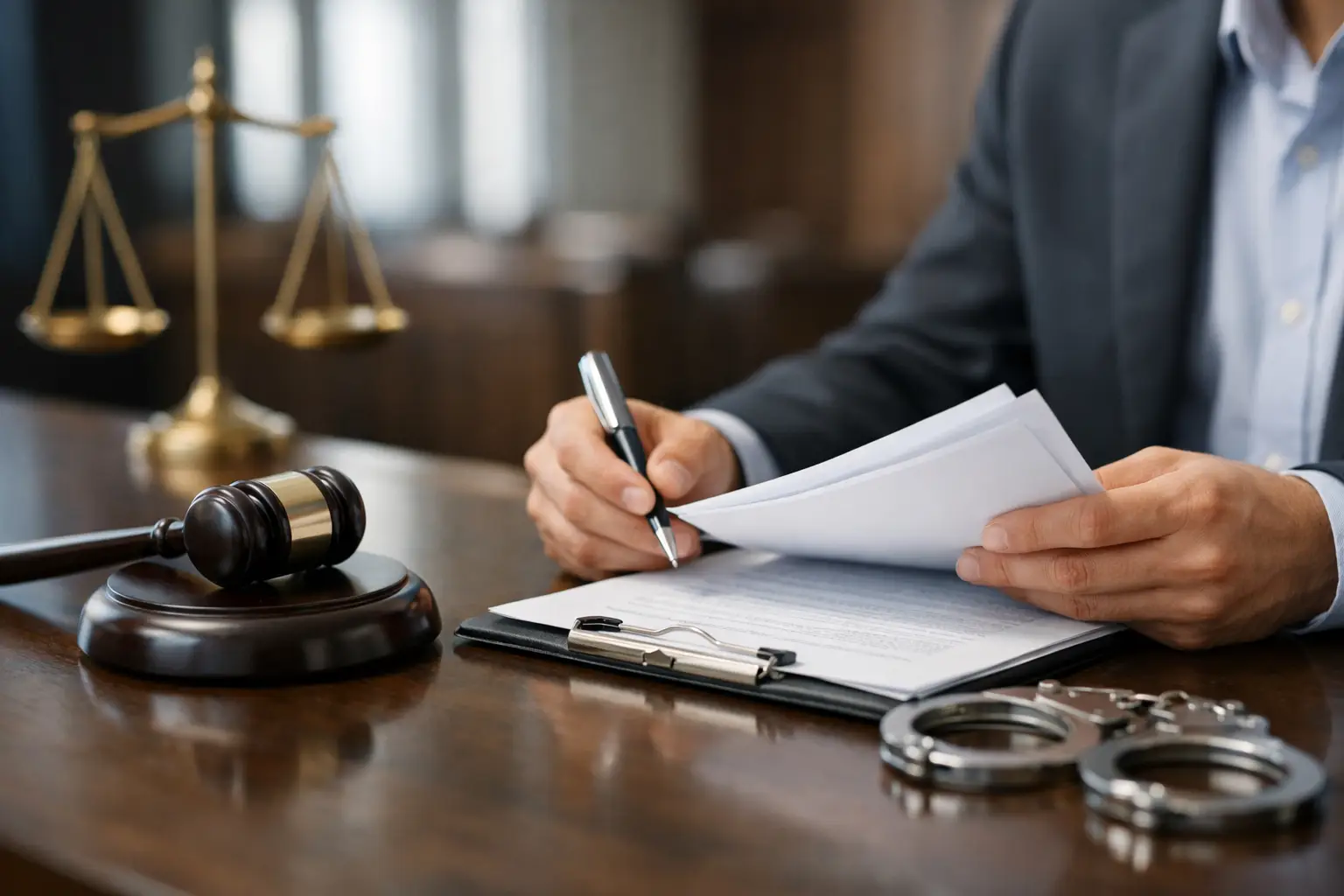
An arraignment can move fast. Your name is called, the judge asks questions, and a decision made in a few minutes can affect release conditions, future court dates, and how you defend yourself. Knowing how to prepare for arraignment does not mean trying to argue the entire case at your first appearance. It means arriving organized, understanding what the hearing is for, and refusing to be pushed into speaking carelessly.
An arraignment is not the trial. The court usually uses it to formally identify the charge or charges, tell you about your rights, address counsel, accept or enter a plea, and set conditions of release or the next hearing. The exact process depends on your state, county, court, and the type of charge. A traffic-related criminal charge, misdemeanor, felony, probation matter, and municipal ordinance case may all follow different rules.
What an arraignment can decide
Do not treat the arraignment as a routine appointment. In some courts, it is brief and administrative. In others, the judge may address bail, no-contact orders, travel limits, firearm restrictions, drug or alcohol testing, deadlines for filing motions, and dates that are hard to change later.
The court may ask whether you have a lawyer, qualify for appointed counsel, or intend to represent yourself. If you cannot afford an attorney, ask how to apply for a public defender or court-appointed lawyer. If you can afford competent criminal defense counsel, hire one. A criminal case can carry consequences that reach far beyond a fine, including jail, immigration problems, employment losses, licensing issues, and restrictions on your freedom.
If you plan to represent yourself, understand the trade-off. You remain in control of your decisions and your facts, but the judge will still expect you to meet deadlines and follow courtroom rules. Being self-represented does not give you a free pass on procedure.
How to prepare for arraignment before you walk in
Start with the paperwork you already have. Read the citation, summons, complaint, information, indictment, booking papers, release paperwork, and any notice from the court. Do not rely on what an officer, clerk, or another defendant told you in a hallway. The documents and the court record control.
Write down the case number, court name, courtroom, hearing date, hearing time, alleged charge, and any listed statute or ordinance. Confirm the hearing directly with the clerk’s office or the court calendar if one is available. Courts reschedule hearings, use different buildings for different calendars, and may require a specific check-in process. Showing up at the wrong courthouse can still lead to a missed hearing.
Bring a simple, organized folder. Put the charging document first, followed by release papers, identification, proof of address if relevant, proof of employment or school attendance if relevant to release conditions, and a written list of questions. Bring a pen and paper. Keep copies of anything you hand to the court or prosecutor.
Do not bring a stack of internet printouts and expect the judge to sort it out. At arraignment, the strongest preparation is usually accurate information, a clear request, and a record of what the court orders.
Check for conditions already in effect
If you were released after arrest, read every condition of release again before court. A no-contact order may restrict calls, texts, messages through other people, social media contact, or going near a particular address. A stay-away condition can apply even when you believe the allegation is false or the other person wants to talk.
Do not test the edges of an order. Violating release conditions can create a new problem before you have had a fair chance to fight the original accusation. If a condition makes work, child care, housing, or medical treatment difficult, be prepared to explain the specific conflict calmly and ask whether the court can modify it.
Understand the charge, but do not build your defense in the lobby
Read the charge carefully. You should know what the government alleges, but you do not need to explain your side of the story to the clerk, bailiff, prosecutor, police officer, or people waiting outside the courtroom. Casual statements can become evidence. So can texts, social media posts, recorded calls, and messages sent through friends or family.
Preserve evidence instead of editing your life around the case. Save relevant messages, photographs, videos, call logs, receipts, location records, and names of witnesses. Do not delete posts or alter files. Do not ask a witness to change a story. Preservation is not the same as public argument.
Decide what you need to ask the court
The court may ask for a plea at arraignment. The available choices and what happens after each choice vary by jurisdiction. A guilty plea or no-contest plea can have serious, lasting consequences. Do not enter either simply because you want to get out of court quickly, a prosecutor says it is standard, or you feel embarrassed standing before the judge.
If you need time to obtain counsel, apply for appointed counsel, review the allegation, or understand the consequences of a plea, say so directly and respectfully. You can ask the judge to explain the next procedural step. Judges cannot become your lawyer, but they can often clarify what is being asked of you and what date comes next.
If release conditions are at issue, focus on facts the judge can use. Stable housing, work, caregiving duties, medical appointments, lack of prior missed court dates, and a practical transportation plan may matter. Do not turn a release argument into a speech about every unfair thing that happened during the arrest. Stay on the question in front of the court.
A useful approach is short and plain: state your name, tell the court what you are requesting, and give the few facts that support that request. Then stop talking. Silence after a clear answer is often better than filling the room with facts you have not thought through.
What to say and what not to say at arraignment
Address the judge as Your Honor. Speak only when asked or when the judge gives you a chance to make a request. If you do not understand a question, say that you do not understand and ask for it to be repeated or explained. Guessing is not a strategy.
You can say that you want counsel, that you need information on appointed counsel, that you need clarification of a condition, or that you need the next court date written down. You can also ask the clerk after the hearing how to obtain copies of orders and how filings must be made.
Do not argue directly with the prosecutor. Do not insult the officer, complain about the judge’s reputation, or accuse everyone in the system of corruption without evidence and a procedural reason to raise it. Those reactions may feel justified under pressure, but they do not advance your position at an arraignment.
Also avoid volunteering facts about the incident. The judge may need limited information to decide release conditions, but that is different from giving a detailed account. When the stakes are unclear, a short answer and a request for counsel are safer than an unplanned narrative.
Courtroom discipline is part of the preparation
Arrive early enough to find parking, pass security, locate the courtroom, and check in. Wear clean, conservative clothing. Turn off your phone. Do not bring prohibited items. Watch how the court handles the calendar, but do not copy another defendant’s plea or request. Their charge, record, release status, and legal position may be completely different from yours.
Take notes throughout the hearing. Before you leave, make sure you know the next date, time, location, required conditions, deadlines, and whether you must contact a public defender’s office or another agency. Ask for a written copy of any release order if you do not receive one.
After court, act on the deadlines immediately. Calendar every date with reminders. Request counsel if you are eligible. Preserve evidence. Follow every release condition. If you miss the next hearing, the court may issue a warrant or take action without you.
The goal is not to look like a lawyer. The goal is to show up informed, controlled, and ready to protect your options. Court procedure is not magic. Learn the order of events, keep your documents straight, ask for what you need, and do not surrender your position just because the room feels intimidating.
This article provides legal education, not legal advice, and no outcome is guaranteed.



idtmbet88
If you are looking for a reliable betting site, this is it. The odds are competitive and the site layout is very clean. My go-to is idtmbet88
new88link
Need a quick link to New88? New88link has got you covered. No need to google around trying to find the right site. Easy access and no fuss new88link.