

Currently Empty: $0.00
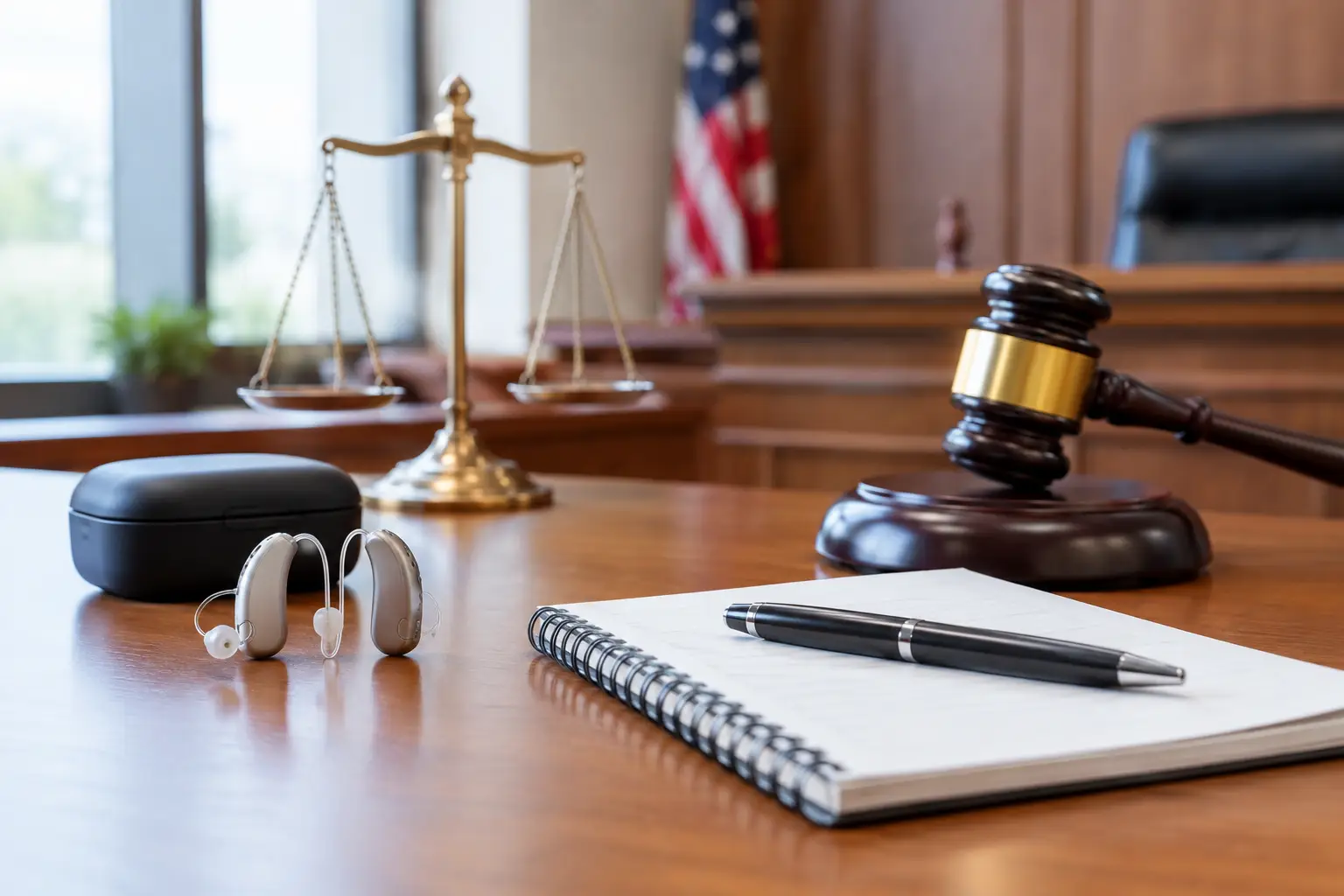
The hearing date on your notice is not a suggestion. It is the point when your paperwork, evidence, deadlines, and preparation get tested in public. If you are representing yourself, a hearing preparation checklist gives you something better than panic: a controlled plan for walking in ready, speaking to the issue, and preserving your position.
You do not need to sound like a lawyer. You do need to know what the hearing is about, what the judge can decide that day, and what documents support your side. Court moves fast. The person who arrives with an organized file and a clear request has a real advantage over the person still trying to explain the whole story from memory.
Start With the Hearing Notice
Read the hearing notice line by line. Confirm the court name, case number, courtroom or video-hearing instructions, date, start time, and the type of hearing. A status conference, motion hearing, trial, evidentiary hearing, and administrative appeal hearing are not interchangeable. What you need to prove and what the judge may decide can be very different.
Then identify the exact matter set for hearing. Is the other side asking for summary judgment? Are you asking to dismiss a debt-collection case, stop a foreclosure step, challenge a traffic charge, modify a family-court order, or compel a public official to act? Pull the motion, petition, notice, or order that caused the hearing to be scheduled. Highlight the relief requested.
This step matters because self-represented people often prepare for the entire case when the court is only deciding one procedural question. Give the judge an answer to the question actually before the court. Save the rest for the proper filing or later hearing.
Hearing Preparation Checklist: The Paperwork
Before you plan what to say, make sure the court file supports what you intend to argue. Bring a clean hearing folder or binder, but do not assume that a document in your hand is automatically evidence or that the judge has seen it.
Your core file should include:
- The hearing notice and current docket or case register, if available.
- Every pleading, motion, response, affidavit, exhibit list, and proposed order relevant to the hearing.
- Proof of filing and proof of service for documents you filed or sent to the other side.
- The key court rules, statutes, or case authorities you plan to rely on.
- Your exhibits, clearly labeled and copied as required by the court.
- A one-page outline of the relief you want and the reasons the court should grant it.
Check whether the court required a written response before the hearing. In many courts, failing to file a response, objection, witness list, exhibit list, or affidavit by a deadline can limit what the judge will consider. A strong argument delivered too late can still be rejected.
Also check local rules and the judge’s standing orders. Federal, state, county, municipal, family, and administrative courts all operate differently. Some require courtesy copies. Some set page limits. Some require exhibits exchanged before the hearing. Some prohibit witnesses or new evidence at a motion hearing. Do not build your strategy around what happened in somebody else’s courtroom.
Build an Evidence File, Not a Stack of Papers
A pile of records is not a presentation. Decide what each document proves. A contract may establish terms. A payment record may establish dates or amounts. A certified mail receipt may establish notice. A photograph may show condition or damage. A court order may establish what the parties were required to do.
For each exhibit, write one short note: “This proves ___.” If you cannot finish that sentence, the exhibit may not belong in your hearing packet.
Organize exhibits in the same order as your argument. Use tabs or simple labels. Put the page number beside each point in your outline so you can find it without shuffling. Make enough copies for the judge, the opposing side, yourself, and any witness if the court has not provided a different instruction.
There is a trade-off here. Bring the full record you may need, but lead with the few documents that decide the issue. A judge does not need to watch you sort through 200 pages to locate one account statement or one paragraph in an order.
If you want the court to consider a document that was not already filed, find out the procedure before hearing day. The other side may object based on relevance, foundation, hearsay, late disclosure, or a court rule. You may have a legitimate document and still need to explain what it is, how you know it is authentic, and why it matters.
Know Your Ask in One Sentence
Write down the exact result you want. For example: “I ask the court to deny the plaintiff’s motion because the records do not establish ownership of the alleged debt.” Or: “I ask the court to continue this hearing because I was not properly served and need a fair opportunity to respond.”
Your request must fit the hearing. Do not ask a judge to dismiss an entire case at a short scheduling conference unless that is actually the motion set for decision. Precision makes you sound prepared and helps prevent the hearing from drifting into complaints the court cannot resolve that day.
After your one-sentence request, prepare three points at most. Each point should connect a fact, a document, and a rule. For example: the deadline was missed, the filing record shows it, and the applicable rule requires timely service. You are not trying to tell every painful detail of the dispute. You are trying to give the court a reason it can use in an order.
Practice the First Two Minutes
The beginning of a hearing can set the tone. When the judge calls your case, stand if appropriate, state your name, and identify yourself as the plaintiff, defendant, petitioner, respondent, or other party. Speak slowly enough to be understood by the court reporter or recording system.
A simple opening works: “Good morning, Your Honor. My name is [name]. I am the defendant and I represent myself. I ask the court to deny the motion for these three reasons.” Then move to your outline.
Do not interrupt the judge, opposing counsel, or the other party. If you object, state the reason briefly when the issue arises. If you do not understand a question, say so. If the judge asks for a page number, take a breath and find it. Guessing, arguing with the court, or talking over people usually damages your credibility faster than admitting you need a moment.
Practice answering the hardest question you expect: “Where is that in the record?” “Why was this filed late?” “What rule supports that request?” “What authority allows this court to do that?” Your answer does not need theatrical confidence. It needs to be honest, direct, and tied to the materials in front of you.
Handle the Logistics Before They Become a Problem
Confirm whether the hearing is in person, by telephone, or by video. If it is remote, test your device, internet connection, camera, microphone, login instructions, and document-sharing process a day early. Have a phone backup number. Join early, use a quiet location, and keep your exhibits open and searchable.
For an in-person hearing, plan parking, building security, childcare, work time, and travel delays. Bring government-issued identification if required. Arrive early enough to find the courtroom and review the posted calendar. Court staff can usually tell you where to go, but they cannot tell you what legal argument to make.
Dress cleanly and conservatively. You do not need expensive clothing. You need to show the court that you take the proceeding seriously. Turn off your phone. Do not bring prohibited items into the courthouse. Small practical mistakes can create stress you do not need.
Prepare for Possible Outcomes
The judge may rule immediately, take the matter under advisement, continue the hearing, order additional briefing, set deadlines, or schedule a trial. Your preparation should include a blank page for instructions. Write down every deadline, filing requirement, and next hearing date before you leave.
If the court rules against you, remain calm and listen for what happens next. Ask a brief procedural question if necessary, such as when the written order will be entered or what deadline applies to a required filing. Do not assume an oral ruling tells you every deadline. Read the written order when it appears and compare it to your notes.
If a serious right, large amount of money, home, child-custody issue, criminal charge, or appeal deadline is at stake, competent legal counsel can be worth pursuing if you can obtain it. If you cannot hire counsel, structured self-help training and document education can help you prepare, but no package or coach can promise an outcome or act as your lawyer. Pro Se Legal School is not a law firm, and its education is not legal advice.
The court system does not reward panic. It rewards deadlines met, facts supported, and requests stated clearly. Build your file, practice your ask, and walk into that hearing knowing exactly what you are there to do.






8k8app4apk
If you are looking for a reliable APK that actually works without glitches, this is it. The loading speed is amazing. Get your 8k8app4apk and start winning.
jun884casino
Jun884casino has got some nice games. The site looks clean, and I’ve been having some fun exploring the options. Worth a look if you’re hunting for a new spot. Play now: jun884casino